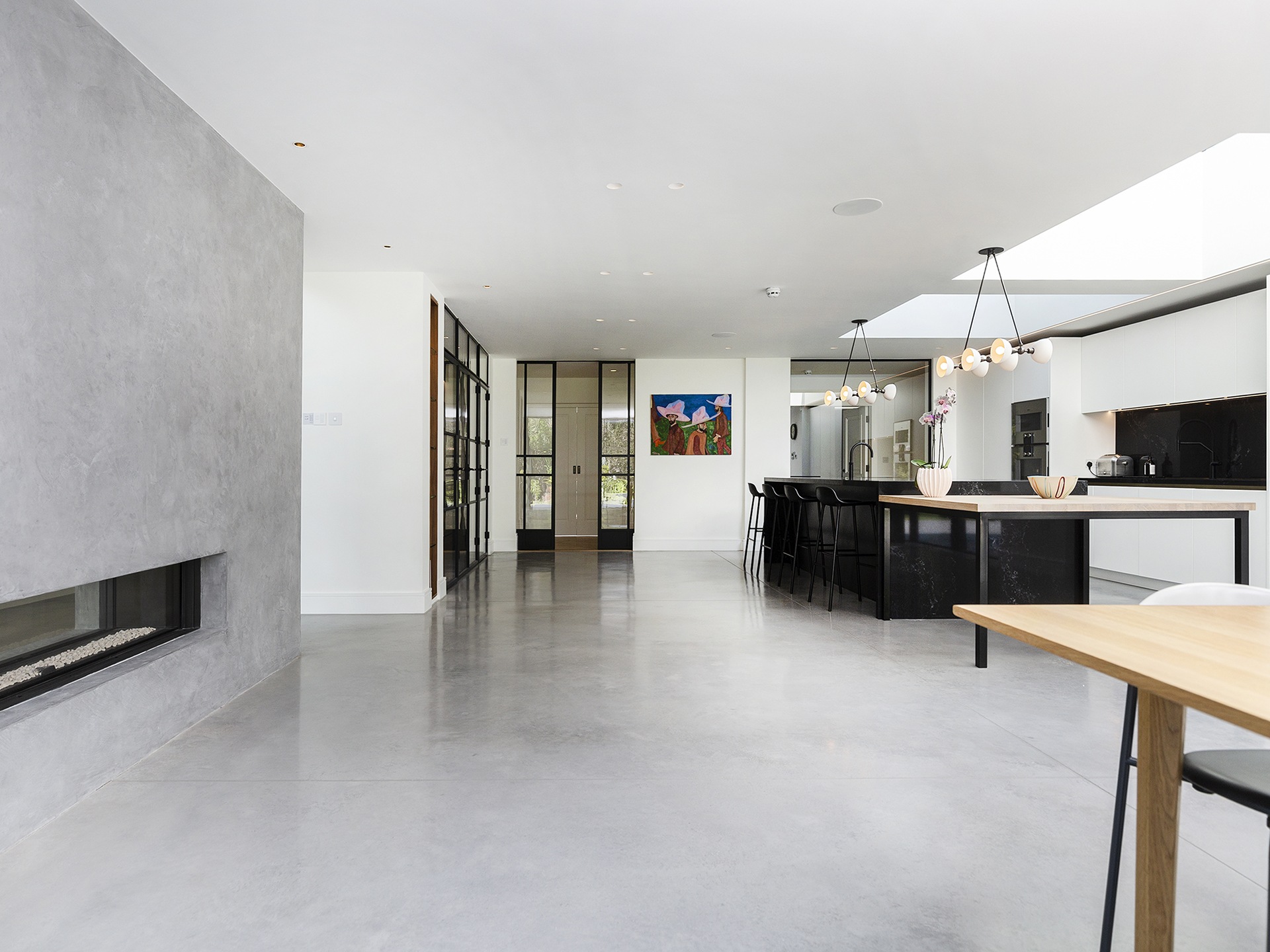
Polished concrete gives busy interiors a hard-wearing floor and a clean, understated finish. Grinding exposes the slab’s aggregate, and successive polishing stages create the chosen sheen. The result suits homes and commercial spaces where daily use calls for straightforward care and lasting performance. Before choosing this finish, property owners in Melbourne should consider the slab, the room’s purpose and the upkeep involved. Knowing how polishing works makes it easier to judge whether the floor will suit the space.
How the Finish Is Made
Before work starts, a contractor checks the slab for cracks, coatings, uneven areas and previous repairs. For a local project, polished concrete in Melbourne work should account for the concrete’s condition, the room’s purpose and the preferred level of aggregate exposure. A clear assessment sets practical expectations for the finished floor and identifies preparation needs before grinding begins.
The preparation stage removes old coatings and grinds the concrete to the selected exposure. A multi-stage grouting process fills small holes, cracks and surface flaws before a densifier is applied. Polishing resins then build the requested gloss. The chemical hardener strengthens the surface, giving later polishing stages a sound base and helping the floor withstand daily use.
Durability in Daily Use
Mechanically polished concrete handles regular foot traffic in homes and commercial interiors. Concrete is a durable material for building slabs and floors, and has numerous other construction applications. The dense surface has no separate decorative layer that can peel, and its hardening process improves resistance to everyday scratches. Heavy impacts can still chip concrete, so furniture pads and prompt spill clean-up help protect the finish.
The slab itself gives each floor its character. Aggregate size, colour and previous repairs affect the final pattern, so sample areas let owners assess the exposure before work covers the entire floor. Polished concrete also reflects light, which can brighten a compact room without changes to its layout.
Surface hardness does not remove the need for sensible care. Grit tracked in from outside can abrade the finish over time, so entry mats and regular dust removal help limit wear. Chair feet and movable equipment also benefit from clean, non-marking pads, particularly in rooms where furniture shifts often.
A Clean Finish for Varied Interiors
The right aggregate exposure and gloss level depend on the room’s furnishings, lighting and intended use. A light grind leaves more of the cement-rich surface visible; deeper grinding reveals more stone and creates a busier pattern. Lower-sheen finishes look quieter, while higher gloss reflects more light and makes surface marks easier to see.
Lighting changes how the polished surface reads throughout the day. Owners should inspect samples near windows and under the artificial lighting used in the evening, rather than relying on a small sample viewed elsewhere. A larger sample also gives a clearer sense of aggregate exposure and helps compare sheen levels against cabinetry and wall colours.
Polished concrete sits comfortably alongside timber, painted walls and simple cabinetry. In an open-plan home, continuous flooring links the kitchen and living area without a change in floor material. Commercial interiors also benefit from a consistent surface, with fewer grout lines where dust can collect.
Polished concrete suits kitchens, living rooms, offices, showrooms and work areas in new or renovated properties. Its hard surface handles frequent movement and cleans easily, while natural variation in the slab gives each floor a distinct appearance. Before approving the exposure and gloss, owners should compare a sample with the room’s lighting, furnishings and care routine.
Care and Planning
Routine care involves removing loose grit, then damp-mopping with a pH-neutral cleaner. Avoid abrasive pads and harsh products that can scratch the finish. Wipe spills promptly, especially coloured or oily liquids. Polished concrete resists stains, but it does not prevent every mark.
Before setting a work date, owners should discuss site access, furniture removal and the condition of nearby surfaces. Grinding creates dust and noise, so the work area needs clear boundaries and protection for adjoining rooms. A site assessment identifies cracks, coatings and uneven areas that need preparation. Owners can then agree on the scope and finish before work begins.
Conclusion
Before selecting a polished finish, arrange a site assessment and review a sample in the room’s usual lighting. This shows how the slab’s aggregate, repairs and colour will appear after grinding, and whether the chosen gloss suits daily use. Ask what preparation the floor needs, how to clean it and which areas require protection during the work. Confirming these details before booking helps set clear expectations for the finished floor.


