Introduction
Floor life depends on what sits beneath the final finish. Tiles, timber, vinyl, and polished coatings all perform better on a level, stable base. Cement screeding creates that base by correcting uneven substrates and forming a compact layer for later finishes. In homes, shops, and work areas, this step helps reduce wear, limits moisture trouble, and supports cleaner installation. Over time, those gains can lower repair frequency and keep surfaces serviceable for longer.
A Stable Base Matters
Before any finish goes down, the substrate must carry weight evenly and stay true across the room. Weak spots create stress points that shorten service life. In practice, many property owners review methods like cement screeding in Auckland because a properly placed screed helps control level changes, supports adhesion, and prepares floors for daily movement, furniture loads, and seasonal moisture shifts without early surface damage.
Better Load Distribution
A screed layer spreads pressure across the floor rather than forcing weight onto isolated high points. That matters in busy rooms where traffic repeats the same path each day. With improved distribution, finishes face less concentrated strain. Cracks, hollow spots, and loose tiles become less likely when the base beneath them absorbs and shares the load with greater consistency across the full area.
Moisture Control Supports Durability
Moisture often shortens floor life long before visible damage appears. A well-prepared screed helps manage the surface before finish materials are fixed in place. It can reduce pockets where water lingers and limit weak bonding areas. That preparation is useful in kitchens, bathrooms, entries, and laundries, where damp exposure tends to rise and fall through normal daily use.
Smoother Levels Protect Finishes
Uneven subfloors push finish materials out of alignment and create friction at edges. A smooth screed corrects dips, humps, and abrupt transitions that would otherwise strain coverings. Tiles sit flatter, adhesive beds stay more uniform, and vinyl wears more evenly. Those changes improve appearance, yet the larger benefit is mechanical. Reduced movement at the surface usually means fewer chips, lifted corners, and joint failures.
Stronger Bonding Conditions
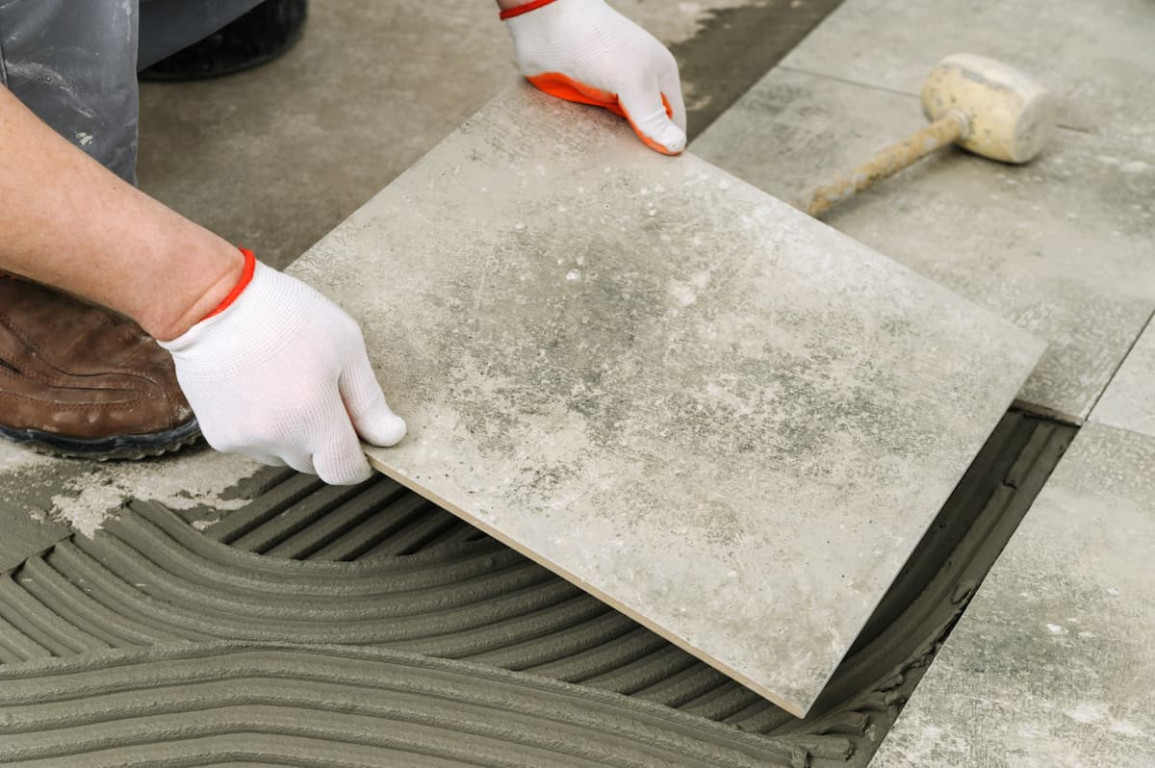
Floor coverings depend on steady contact with the layer below. If the base is rough in the wrong way, dusty, or uneven, adhesion can weaken early. Cement screeding prepares a denser, more regular platform for the next material. That helps adhesives cure with better contact and fewer voids. Once bonding improves, finishes tend to stay secure longer under rolling loads, footsteps, and furniture movement.
Fewer Cracks Over Time
Cracking rarely comes from one cause alone. It often follows movement, poor support, moisture shifts, or uneven curing. Screeding helps reduce several of those risks at once by creating a more controlled base. While no system removes every hazard, a sound screed can lower tension across the floor. That change matters because small cracks often grow into loose finishes, staining, and edge breakdown.
Where Precision Pays Off
High-Traffic Areas
Entrances, hallways, kitchens, and commercial walkways punish floors faster than low-use spaces. Precision in screed thickness and level becomes more important in these zones because repeated footfall exposes defects sooner. A careful application helps finishes stay flatter and less noisy under pressure. For us as building users, that often means less disruption, fewer repairs, and a surface that keeps its function for longer.
Faster, Cleaner Maintenance
Longevity is not only about avoiding failure. It also involves how easily a floor can be maintained across years of use. Screeded surfaces help finishes sit with fewer lips, ridges, or trapped low spots that collect dirt and water. Cleaning becomes simpler, and routine care places less stress on joins and edges. That steady reduction in day-to-day strain supports a longer service life.
Value Beyond the Finish Layer
Many people judge a floor by what they see on top, yet the hidden layer often decides how long that finish lasts. Cement screeding adds value by supporting alignment, adhesion, and daily performance from below. It can also help later replacements go more smoothly because the base starts from a better standard. That makes future updates less wasteful and easier to plan.
Conclusion
Cement screeding improves floor longevity by strengthening the base, supporting better bonding, and reducing stress across the final surface. Its value shows up in fewer cracks, steadier levels, easier cleaning, and better resistance to moisture-related trouble. While finish materials attract most attention, the layer beneath usually controls long-term performance. For homes and commercial spaces alike, a well-executed screed helps floors stay reliable, attractive, and easier to maintain over many years.