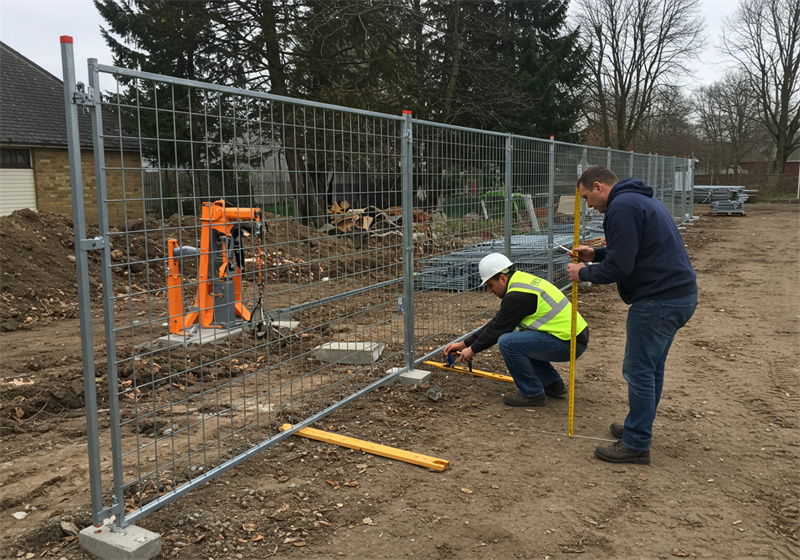
Taking on a DIY construction project can be an incredibly rewarding experience. Whether you’re building a deck, renovating a bathroom, or adding an extension to your home, doing it yourself can save money and offer a great sense of accomplishment. However, it also comes with responsibility. One of the most important aspects of any construction project—especially for DIYers—is ensuring compliance with building codes. Failing to follow proper codes can result in fines, forced demolition, or safety hazards. Below are essential building code guidelines and construction tips every DIY enthusiast should know before picking up the hammer.
1. Understand the Local Building Codes
Every region has its own set of building codes, typically governed by a local council or municipality. These codes are in place to ensure buildings are structurally sound, safe, and energy efficient. As a DIYer, your first step should be to visit your local building authority’s website or office to gather information on the specific regulations applicable to your project.
Commonly regulated elements include structural integrity (framing, foundations), fire safety (materials, escape routes), plumbing and electrical systems, insulation standards, and ventilation. Many minor updates like painting or cabinet replacement may not require permits, but structural changes or electrical work almost always do.
2. Obtain the Necessary Permits
Even small construction jobs may require a building permit. Permits are not just bureaucratic red tape—they exist to ensure that construction work meets safety standards. Working without a permit can result in fines, difficulty selling your property, or orders to remove unauthorized work.
DIYers should contact their local permitting office before beginning any job that involves changes to a structure’s footprint, plumbing, electrical, or load-bearing walls. Once you’ve submitted the required drawings or plans, inspections will likely be required during and after construction to verify compliance.
3. Plan Before You Build
One of the biggest mistakes DIYers make is jumping into a project without a clear, detailed plan. Good planning includes sketches or blueprints, a materials list, a timeline, and a budget. It’s wise to overestimate costs and time to account for unexpected issues.
Think carefully about your design and double-check all measurements. This minimizes waste and ensures that components like windows, doors, or built-in units will fit precisely. Planning also helps you avoid code violations, such as insufficient ceiling height or improper clearance around fixtures.
4. Follow Proper Framing and Structural Guidelines
If your project includes structural elements like walls, decks, or roofing, it’s essential to follow approved framing techniques. Building codes dictate the size and spacing of studs, joists, beams, and other structural components based on load requirements.
Always use pressure-treated lumber for any wood in contact with the ground or concrete to prevent rot. Use proper fasteners (e.g., galvanized nails or bolts) and never cut corners on bracing or support. Failing to follow these practices could lead to collapses or safety hazards down the line.
5. Master Electrical and Plumbing Work—Or Hire a Pro
Electrical and plumbing systems are heavily regulated due to the potential risks involved. Many jurisdictions require that only licensed professionals handle these tasks. However, some allow homeowners to do the work if they can pass inspections.
If you’re taking on electrical work yourself, you must understand wiring diagrams, circuit breakers, load capacity, and grounding. Always turn off power at the panel and test wires with a voltage tester before working. For plumbing, proper pipe sizing, slope, venting, and leak-proof connections are essential.
If in doubt, it’s wise to hire a licensed electrician or plumber to either perform the work or inspect it before finalizing. Safety should never be compromised.
6. Ventilation, Insulation, and Moisture Control
Energy efficiency and indoor air quality are big concerns in modern construction codes. DIYers often overlook proper ventilation in bathrooms, kitchens, attics, and crawl spaces. Installing exhaust fans and using vapor barriers in walls or floors can prevent mold and moisture damage.
Insulation must meet minimum R-values based on climate zone, and it needs to be installed without gaps, compression, or misalignment. Failing to meet code requirements can make your home less energy-efficient and harder to sell.
7. Schedule Inspections and Keep Records
If your project requires inspections (e.g., after framing, plumbing, or electrical rough-ins), make sure to schedule them on time. DIYers should never cover up work (like drywalling over wires or pipes) before it’s been approved.
Keep detailed records of permits, inspection reports, receipts, and photographs of each phase. These documents can be crucial when selling your home or applying for future permits. They also help you verify that your project meets all legal requirements.
Bonus Tip: Know When to Get Help
Even the most experienced DIYers occasionally bring in professionals for complex or specialized tasks. If you’re unsure about a particular aspect—like foundation pouring, gas line installation, or roofing—it’s usually more cost-effective and safer to hire an expert. Their insight can also help you stay on schedule and within budget.
Conclusion
DIY construction can be a fulfilling and money-saving venture, but it must be approached with knowledge, responsibility, and attention to detail. Understanding and complying with building codes is not optional—it’s essential for your safety, your property value, and the long-term success of your project. By planning thoroughly, following code-compliant techniques, and knowing your limitations, you can take pride in your work while ensuring it stands the test of time. Whether it’s your first build or your fifth, the best DIY projects are those built on a strong foundation—literally and legally.