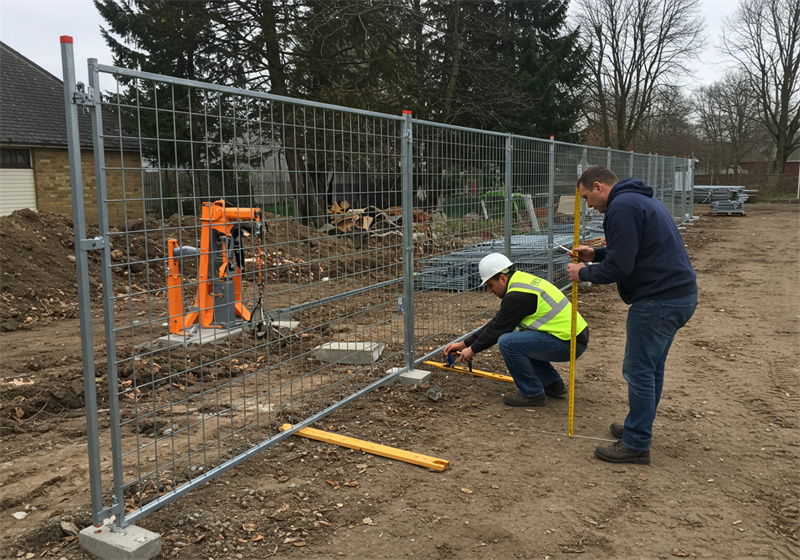
Construction projects, whether residential, commercial, or industrial, can be expensive and time-consuming. Without proper planning and execution, costs can spiral and schedules can fall behind. That’s why seasoned construction professionals emphasize the importance of strategic thinking, efficient processes, and smart resource management. Here are seven advanced tips from construction experts that can help you save both time and money on your next building project.
1. Start with a Comprehensive Pre-Construction Plan
One of the most important steps in saving time and money is investing heavily in pre-construction planning. This includes thorough site assessments, budgeting, permitting, design reviews, and logistics planning. A well-developed pre-construction plan ensures that potential challenges are identified and addressed early. Construction experts stress the importance of collaborating closely with architects, engineers, and contractors during this stage to develop a clear roadmap for the entire project. The more detailed your planning, the fewer surprises and delays you’ll face during construction.
2. Choose the Right Contractor and Subcontractors
Hiring the right professionals is crucial. Experienced construction experts advise evaluating contractors not just on price but on reputation, past performance, financial stability, and their ability to manage subcontractors effectively. Going for the cheapest option may seem like a money-saving decision, but it can cost more in the long run if poor workmanship leads to rework or safety issues. A contractor with a track record of delivering quality work on time will reduce delays, avoid costly mistakes, and bring greater value to your project.
3. Embrace Value Engineering Without Sacrificing Quality
Value engineering involves analyzing materials, systems, and construction methods to find more efficient alternatives that reduce cost without compromising functionality or design intent. For example, using pre-engineered building components or modular construction can cut down on labor and installation time. Construction professionals often suggest substituting materials that are more readily available or easier to install but still meet performance standards. Involving your design and construction team early in this process helps identify these opportunities and ensures all changes are structurally and aesthetically sound.
4. Streamline Communication and Project Management
Time is often lost on a construction site due to miscommunication or disorganized project management. Using digital project management tools—such as Procore, Buildertrend, or PlanGrid—can help streamline communication, track progress, manage documents, and share updates in real time. Construction managers recommend assigning a dedicated point of contact or project manager who is responsible for coordinating all parties and ensuring everyone is aligned. Clear communication protocols and regularly scheduled check-ins reduce confusion, prevent delays, and keep the project moving forward efficiently.
5. Order Materials Strategically
Delays due to material shortages or delivery errors are common and costly. Experts suggest working closely with suppliers to forecast material needs well in advance. Bulk ordering and just-in-time deliveries can reduce excess inventory and minimize onsite clutter. In addition, building strong relationships with trusted suppliers ensures priority service and quicker resolutions when issues arise. Monitoring lead times and potential supply chain disruptions—especially for specialty or imported materials—is essential for maintaining your project schedule.
6. Incorporate Technology and Innovation
Modern construction technologies can significantly reduce time and increase accuracy. For example, Building Information Modeling (BIM) allows teams to create 3D models that integrate structural, mechanical, electrical, and plumbing systems. This helps identify conflicts before construction begins, reducing costly changes during the build phase. Drones can be used for surveying and site inspections, while laser scanning ensures precise measurements. Some contractors also employ augmented reality (AR) to visualize design elements on site. Investing in these innovations may require an upfront cost, but they pay off by avoiding delays, improving coordination, and reducing errors.
7. Prioritize Safety to Avoid Costly Accidents
Worksite accidents can result in major financial setbacks due to medical costs, insurance claims, fines, and lost labor. Construction experts emphasize the importance of establishing a strong safety culture and conducting regular training, inspections, and audits. Ensuring that workers follow safety protocols not only keeps everyone protected but also keeps the project on schedule. Downtime caused by accidents or non-compliance with safety regulations can be avoided with proper supervision, signage, and the use of personal protective equipment (PPE). Safety isn’t just a moral obligation—it’s a cost-saving strategy.
Conclusion
The key to a successful construction project lies in careful planning, the smart use of resources, and staying ahead of potential problems. These advanced tips from seasoned construction professionals—ranging from embracing pre-construction planning and choosing the right team to leveraging technology and prioritizing safety—are proven strategies for minimizing costs and avoiding delays. By taking a proactive, informed approach, you can not only stay within your budget and timeline but also achieve a higher quality result. In construction, every minute and every dollar counts, and the decisions you make at every stage will have a lasting impact on your project’s success.